


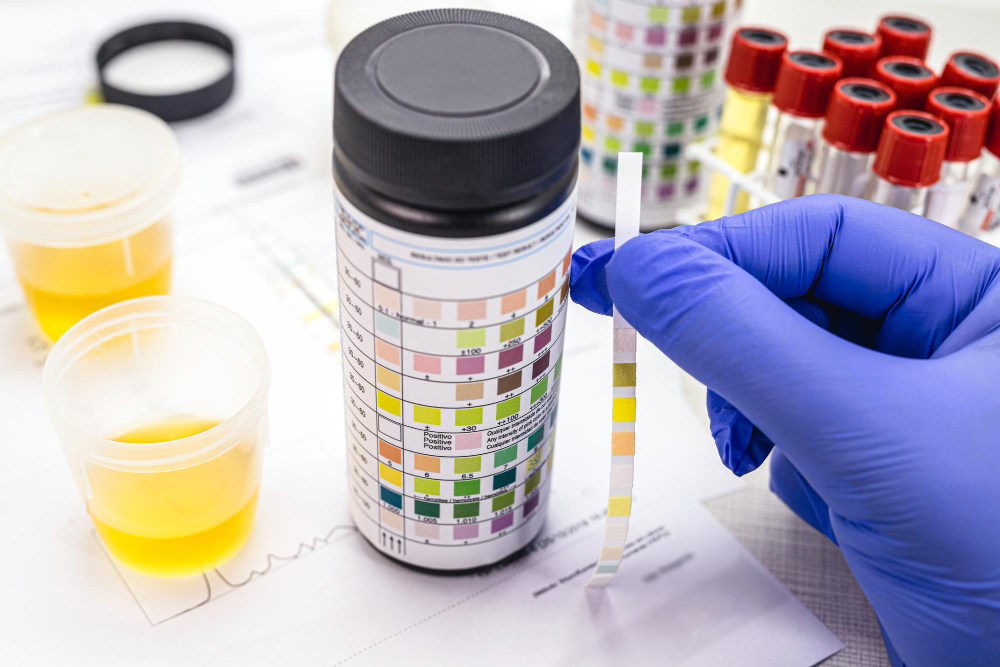
Quantitative urine testing has become a valuable tool in clinical laboratories for evaluating renal physiology, metabolic conditions, and urinary tract health. Modern analyzers can measure urinary biomarkers such as albumin, protein, and creatinine with a high degree of analytical precision. These measurements allow clinicians to observe subtle biological changes and monitor trends across multiple visits.
Yet analytical precision alone does not guarantee consistent results. Laboratories must also maintain reproducibility across testing batches. A batch represents a group of specimens processed during a defined analytical run. If results vary between batches due to instrumentation, reagents, or environmental conditions, clinicians may struggle to interpret longitudinal data accurately.
Maintaining reproducibility across batches requires careful control of analytical variables, standardized procedures, and continuous monitoring of instrument performance. When these elements work together, quantitative urine testing becomes a reliable foundation for clinical decision making.
AutoUA® provides the only FDA-cleared quantitative urinalysis system designed to replace traditional dipstick testing, helping laboratories achieve more consistent and reproducible urine biomarker measurements.
Understanding Batch-to-Batch Variability
Batch-to-batch variability refers to differences in analytical results that arise when specimens are processed in separate runs. These differences may occur even when samples originate from the same patient population.
Several factors contribute to variability between batches. Changes in reagent composition, instrument calibration, environmental conditions, and sample preparation can influence measured concentrations.
Even minor shifts may become noticeable when laboratories analyze hundreds or thousands of specimens over time. If left unaddressed, such variability may affect the comparability of results obtained on different days or at different locations.
Laboratory quality systems therefore place strong emphasis on identifying and controlling sources of batch-related variation.
Calibration: The Foundation of Analytical Consistency
Calibration establishes the relationship between the instrument signal and the known concentration of an analyte. In quantitative urinalysis, calibration materials contain defined levels of biomarkers such as albumin or creatinine.
During calibration, the analyzer measures these standards and aligns its measurement scale accordingly. Once calibration is complete, the system applies the resulting parameters to patient specimens.
Routine calibration helps maintain measurement stability across batches. Without periodic recalibration, gradual drift in analytical signals may lead to inaccurate reporting.
Laboratories document calibration events and verify that measured values remain aligned with reference standards. These records provide traceability for each analytical run.
Role of Quality Control Materials
Quality control materials serve as checkpoints within each testing batch. These materials contain known concentrations of biomarkers that laboratories use to monitor instrument performance.
Control samples are typically run at multiple concentration levels to cover the analytical measurement range. Results from these controls are compared with established limits.
When control measurements fall within acceptable ranges, laboratories gain confidence that the analyzer is functioning correctly. If a control result falls outside the expected range, laboratory staff investigate potential causes before releasing patient results.
Quality control procedures help detect shifts in instrument performance that might otherwise go unnoticed during routine testing.
Monitoring Analytical Trends Over Time
Quality control data becomes even more valuable when viewed across multiple batches. Laboratories often plot control results on charts that display measurement trends over days or weeks.
These charts allow staff to observe subtle changes in analytical performance. A gradual upward or downward drift may indicate instrument wear, reagent degradation, or calibration issues.
By identifying these patterns early, laboratories can correct problems before they influence patient results. Trend monitoring transforms quality control data into a dynamic tool for maintaining analytical stability.
Reagent Lot Variation
Another contributor to batch variability involves differences between reagent lots. Reagents used in chemical reactions may vary slightly between manufacturing batches.
Even when these differences remain within manufacturing specifications, laboratories must verify that new reagent lots perform consistently with previous ones.
Lot verification studies typically involve testing patient samples and control materials using both the existing and new reagent batches. Results are then compared to confirm that measurements remain aligned.
If discrepancies appear, laboratories may adjust calibration parameters or investigate further before adopting the new reagent lot. This process protects the continuity of quantitative measurements across time.
Environmental Factors in Laboratory Settings
Environmental conditions within the laboratory can influence analytical performance. Temperature, humidity, and air quality affect chemical reactions and instrument components.
Automated analyzers operate best within defined environmental ranges. Laboratories therefore maintain controlled conditions that support stable analytical performance.
Temperature monitoring systems track environmental conditions continuously. If temperatures deviate from recommended ranges, laboratory staff can take corrective action before testing proceeds. Maintaining stable environmental conditions helps preserve reproducibility across analytical runs.
Standardization of Sample Preparation
Consistency in sample preparation contributes significantly to reproducibility. Before analysis, urine specimens may undergo mixing, centrifugation, or dilution depending on the testing protocol.
Variations in these steps can influence measurement results. For example, insufficient mixing may lead to uneven distribution of sediment or proteins within the sample.
Laboratories address this issue through standardized procedures. Written protocols define preparation steps, timing, and instrument settings. Staff training reinforces adherence to these procedures.
Instrument Maintenance and Performance Checks
Automated analyzers require routine maintenance to maintain analytical reliability. Components such as pumps, optical detectors, and fluid pathways may degrade over time.
Preventive maintenance schedules include cleaning procedures, part replacement, and performance verification tests. These steps reduce the likelihood of mechanical issues affecting measurement accuracy.
Many analyzers also perform automated diagnostic checks during startup. These checks confirm that internal systems operate within expected parameters before processing patient samples. Regular maintenance and diagnostic monitoring help maintain reproducibility across analytical batches.
Inter-laboratory Standardization
In large healthcare networks, specimens may be processed at multiple laboratory sites. Maintaining reproducibility across locations requires consistent analytical methods and calibration standards.
Laboratories often participate in external proficiency testing programs. These programs distribute standardized specimens to participating sites, allowing them to compare analytical results with peer laboratories.
Consistent performance across these assessments demonstrates that measurement systems remain aligned with broader analytical benchmarks. Inter-laboratory standardization supports confidence in results regardless of where testing occurs within a healthcare system.
Importance of Documentation and Traceability
Every analytical batch generates a record that documents calibration status, control results, reagent lot numbers, and environmental conditions. These records allow laboratories to trace results back to specific analytical circumstances.
If discrepancies arise in patient data, laboratory staff can review batch documentation to identify potential contributing factors.
Traceability also supports regulatory compliance and internal quality improvement programs. By maintaining detailed records, laboratories demonstrate accountability for analytical performance.
Advance Laboratory Consistency with AutoUA®
Reliable urinalysis begins with technology designed for precision and consistency. AutoUA® is the only FDA-cleared quantitative urinalysis system developed by Sciteck Diagnostics to replace traditional dipstick testing with automated numeric measurement. Instead of broad color-based estimates, AutoUA® produces detailed biomarker concentrations that help laboratories track subtle physiological changes across testing runs.
The system is designed to work with many leading clinical chemistry analyzers, allowing laboratories to introduce quantitative urinalysis without overhauling existing workflows. This compatibility helps maintain consistent measurement across batches while simplifying integration into routine laboratory operations.
Contact our team to learn how AutoUA® can bring greater reproducibility and clarity to urine testing in your laboratory.