


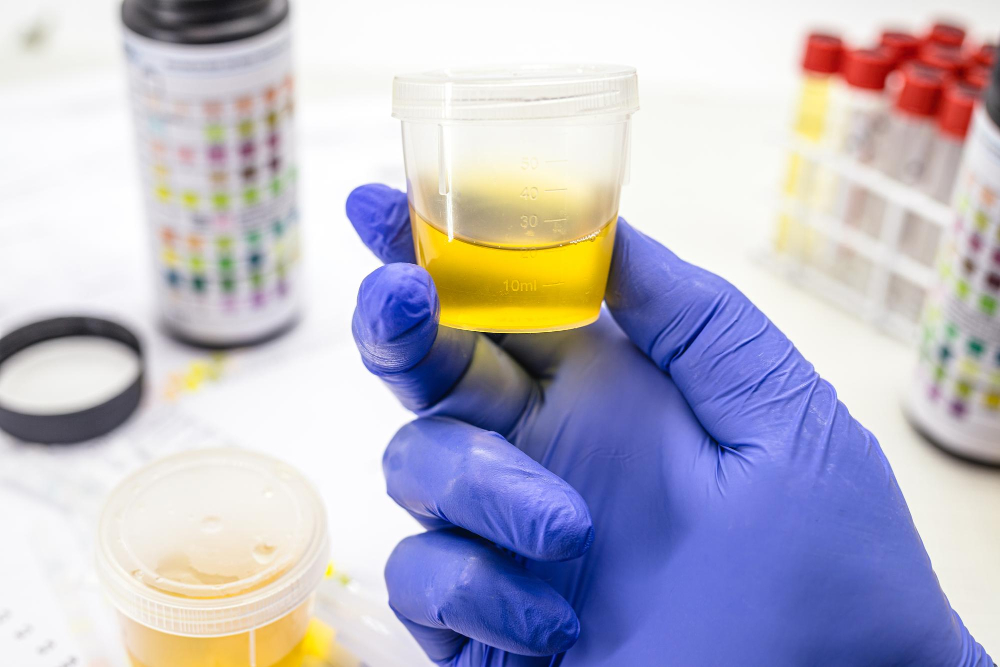
Urinary biomarker analysis plays a central role in assessing renal function, metabolic disorders, inflammatory processes, and systemic disease. Yet one persistent challenge affects interpretation across laboratory settings: urine concentration varies widely from patient to patient and even from hour to hour.
Hydration status, fluid intake, exercise, and diurnal variation all influence urine dilution. A biomarker concentration measured in isolation may appear elevated or suppressed simply because the specimen is concentrated or dilute. Creatinine normalization addresses this variability by standardizing biomarker values relative to urinary creatinine concentration.
In modern quantitative urinalysis, creatinine normalization strengthens interpretive accuracy, supports longitudinal monitoring, and improves clinical clarity. Understanding how and why this adjustment is applied is fundamental to proper urinary biomarker interpretation.
Why Urine Concentration Variability Matters
Unlike blood, urine is not tightly regulated in terms of water content. Two samples from the same patient can differ significantly depending on hydration and timing.
Consider the following example:
- A dehydrated patient produces concentrated urine.
- A well-hydrated patient produces dilute urine.
If both patients excrete the same absolute amount of albumin over a given period, the concentrated sample will show a higher albumin concentration per unit volume. Without normalization, that value may appear pathologic when it simply reflects reduced fluid volume.
This variability affects many biomarkers, including:
- Albumin
- Total protein
- Electrolytes
- Hormone metabolites
- Drug metabolites
Quantitative urine testing provides numeric concentrations, but those numbers must be interpreted in context. Creatinine normalization offers a standardized method for adjusting for dilution effects.
What Is Creatinine and Why Is It Used for Normalization?
Creatinine is a breakdown product of creatine phosphate from muscle metabolism. It is released into the bloodstream at a relatively steady rate and excreted in urine through glomerular filtration.
Several characteristics make urinary creatinine suitable for normalization:
- Production is relatively constant within an individual
- It is freely filtered by the kidneys
- It reflects urine concentration
- It is easily measured with validated laboratory methods
Because creatinine excretion remains relatively stable over short time frames, it functions as an internal reference marker. When a biomarker is expressed as a ratio to creatinine, the value reflects analyte excretion relative to urine concentration rather than raw volume-based concentration.
How Creatinine Normalization Works
Creatinine normalization involves dividing the concentration of a target biomarker by the concentration of urinary creatinine in the same sample.
For example:
- Albumin concentration: 30 mg/L
- Creatinine concentration: 100 mg/dL
The albumin-to-creatinine ratio converts these values into a standardized measurement, typically expressed as mg of albumin per g of creatinine.
This ratio reduces the impact of urine dilution. A highly concentrated specimen and a dilute specimen can be compared more accurately because the biomarker is expressed relative to creatinine excretion.
Quantitative urinalysis systems that measure both analytes in the same run streamline this calculation and reduce manual variability.
Clinical Applications of Creatinine Normalization
Creatinine normalization is widely used in clinical practice. Some of the most common applications include:
- Albumin-to-Creatinine Ratio in Renal Assessment
The albumin-to-creatinine ratio is a standard tool for detecting early kidney damage. Small increases in urinary albumin may not be apparent in raw concentration data, especially in dilute samples.
By expressing albumin relative to creatinine, clinicians gain a more reliable indicator of abnormal excretion. This approach supports early detection of nephropathy in diabetic and hypertensive populations.
- Protein-to-Creatinine Ratio
Total protein can also be normalized to creatinine. This ratio is often used in evaluating glomerular disorders and monitoring chronic kidney disease progression.
- Drug and Toxicology Monitoring
In toxicology screening, normalization reduces variability in spot urine samples. Drug metabolite concentrations are interpreted relative to creatinine to account for specimen dilution.
- Hormonal and Metabolic Biomarkers
Certain endocrine markers measured in urine benefit from creatinine correction to improve comparability across samples collected at different times.
Across these applications, normalization increases consistency and strengthens interpretive confidence.
Advantages Of Creatinine Normalization in Quantitative Urinalysis
The transition from semi-quantitative dipstick testing to quantitative urinalysis enhances the value of creatinine normalization.
Key advantages include:
- Objective numeric measurement of both analyte and creatinine
- Automated ratio calculation within the analyzer workflow
- Reduced operator-dependent variability
- Standardized reporting through LIS integration
Traditional dipsticks do not provide precise creatinine concentrations. As a result, normalization requires separate testing steps. In contrast, an FDA-cleared quantitative urinalysis system can measure multiple analytes and creatinine simultaneously, supporting accurate ratio generation within a single automated process.
Measuring analytes and creatinine within the same automated workflow increases reproducibility and reduces transcription errors.
Interpreting Normalized Ratios in Practice
While normalization reduces dilution-related distortion, ratios must still be interpreted within clinical context.
Factors influencing interpretation include:
- Patient age and muscle mass
- Baseline renal function
- Acute illness
- Pregnancy
- Medications
Creatinine production varies among individuals. For example, patients with reduced muscle mass may produce lower creatinine levels. In such cases, ratios can appear higher relative to baseline.
Clinicians should review trends over time rather than relying on a single measurement. Serial quantitative urine testing provides a more complete picture of progression or stability.
The Role of Regulatory-Cleared Quantitative Systems
Reliable creatinine normalization depends on accurate measurement of both the biomarker and creatinine. Analytical performance, calibration stability, and regulatory oversight influence result integrity.
An FDA-cleared quantitative urinalysis system provides validated performance characteristics and standardized methodology. When combined with ISO-certified manufacturing processes and automated analysis, laboratories gain confidence in reproducibility.
Analyzer-agnostic platforms that integrate into existing clinical chemistry infrastructure allow facilities to adopt quantitative normalization without extensive workflow disruption.
The shift toward objective measurement and standardized reporting reflects broader trends in laboratory medicine, where precision and reproducibility drive improved patient care.
Bring Precision to Urinary Biomarker Reporting
Creatinine normalization is only as reliable as the system measuring it. AutoUA, developed by Sciteck Diagnostics, is an FDA-cleared quantitative urinalysis system designed to replace traditional dipstick testing with objective, reproducible measurements. By integrating urine chemistry, particle analysis, and creatinine testing into one automated workflow, AutoUA supports accurate ratio calculations and standardized reporting.
Its analyzer-agnostic design connects with leading clinical chemistry platforms and LIS systems, making implementation straightforward for both high-volume laboratories and point-of-care settings.
Contact our technical team to learn more, request a quote, or schedule a live demonstration of AutoUA in your facility.